
Baby Bottle Tooth Decay: Prevention and Early Signs in San Antonio Infants
January 29, 2026
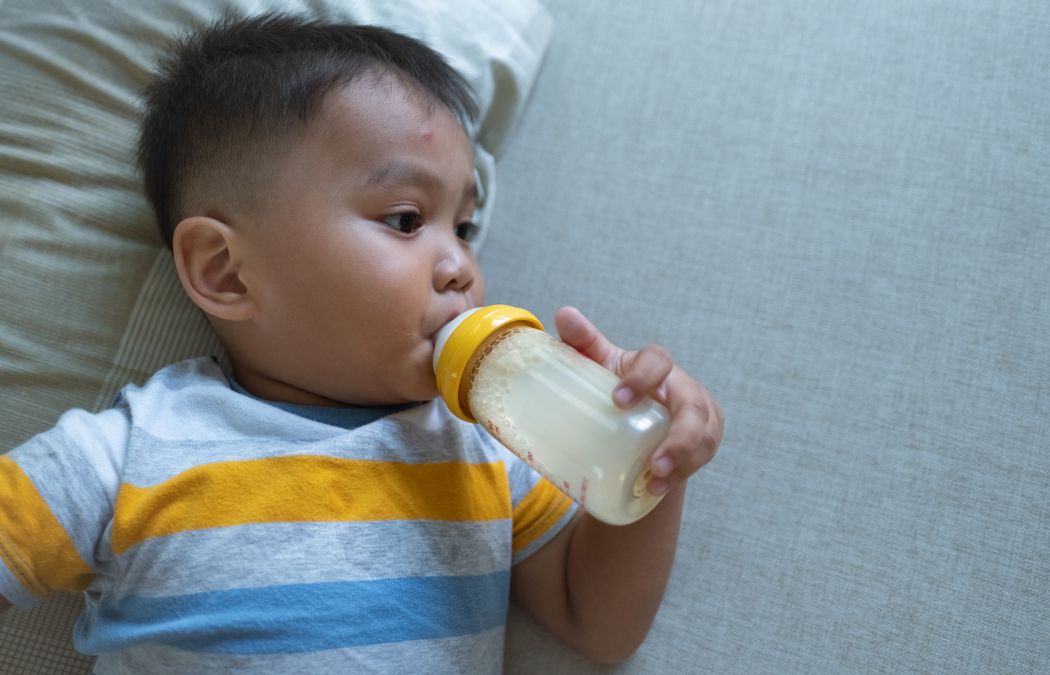


The joy of watching your baby's first teeth emerge can quickly turn to concern when tooth decay appears in those tiny pearly whites. Baby bottle tooth decay, also called early childhood caries, affects thousands of infants and toddlers each year, sometimes causing severe damage to baby teeth before parents even realize there's a problem. Understanding the causes, recognizing early warning signs, and implementing simple preventive measures can protect your child from this common but entirely preventable condition.
Understanding Baby Bottle Tooth Decay
Baby bottle tooth decay is a specific pattern of tooth decay that primarily affects the upper front teeth, though it can impact any tooth in an infant or toddler's mouth. The condition develops when teeth are frequently exposed to sugary liquids for extended periods, creating an ideal environment for cavity-causing bacteria to thrive.
The term "baby bottle tooth decay" comes from one of its most common causes: putting babies to bed with bottles containing anything other than water. However, the condition can develop from other feeding practices as well. Any situation where sugary or starchy liquids pool around teeth for prolonged periods creates decay risk.
Baby teeth are more vulnerable to decay than permanent teeth because their enamel is thinner and less mineralized. Once decay begins, it can progress rapidly, potentially destroying multiple teeth in just months. This aggressive nature makes early detection and prevention crucial.
What Causes Baby Bottle Tooth Decay?
Several feeding practices increase the risk of baby bottle tooth decay. Understanding these risk factors helps parents make informed choices about their infant's oral health.
Bedtime and Naptime Bottles: When babies fall asleep while drinking from a bottle, liquid pools around their teeth for hours. During sleep, saliva production decreases significantly, reducing the mouth's natural ability to rinse away sugars and neutralize acids. This combination creates perfect conditions for decay to develop.
Milk, formula, juice, and other sweetened beverages all contain sugars that bacteria feed on. Even breast milk contains natural sugars that can contribute to decay when teeth are exposed for extended periods without cleansing.
Frequent Sipping Throughout the Day: Constantly sipping from a sippy cup or bottle keeps teeth bathed in sugar throughout waking hours. Each sip triggers an acid attack that lasts about twenty minutes. When sipping continues all day, teeth never get a break from acid exposure, dramatically increasing decay risk.
Using Bottles or Sippy Cups as Pacifiers: Children who carry bottles or sippy cups around and drink from them frequently throughout the day face elevated decay risk. This habit is particularly problematic when the container holds anything other than water.
Dipping Pacifiers in Sweet Substances: Some parents dip pacifiers in honey, sugar, or sweetened drinks to calm fussy babies. This practice coats teeth with concentrated sugar, feeding decay-causing bacteria.
Early Bacterial Transmission: Babies aren't born with cavity-causing bacteria in their mouths. These bacteria are transmitted from caregivers, typically through saliva. Sharing spoons, cleaning pacifiers with your mouth, or allowing babies to put their fingers in your mouth after touching your teeth can transfer bacteria to your baby.
Recognizing the Early Warning Signs
Catching baby bottle tooth decay early makes treatment easier and prevents more serious damage. Regular dental visits starting at age one help identify problems early, but parents should also watch for warning signs between appointments.
The earliest sign of decay appears as white spots or lines along the gum line on the upper front teeth. These chalky white areas indicate demineralization, the first stage of cavity formation. At this stage, the process can sometimes be reversed with improved oral hygiene and professional fluoride treatments.
As decay progresses, these white spots may turn light brown. The discoloration indicates more advanced demineralization and requires prompt professional treatment to prevent further damage.
Advanced decay appears as dark brown or black spots or bands on teeth. At this stage, the tooth structure has been compromised, and cavities have formed. Holes or pits in teeth, broken or chipped teeth from weakened structure, and visible damage to tooth surfaces all indicate significant decay requiring immediate dental attention.
Other signs include sensitivity when your child eats or drinks, fussiness during feeding times, swollen or red gums around affected teeth, bad breath that doesn't improve with cleaning, and fever or irritability suggesting infection.
Why Baby Teeth Matter
Some parents question whether treating cavities in baby teeth is necessary since these teeth will eventually fall out anyway. This misconception can lead to serious consequences for children's oral health and overall development.
Baby teeth serve as natural placeholders for permanent teeth. When baby teeth are lost prematurely due to severe decay, neighboring teeth can drift into the empty space, blocking the path for permanent teeth and causing crowding and alignment problems that may require extensive orthodontic treatment later.
Healthy baby teeth are essential for proper chewing. Children with painful, decayed teeth may struggle to eat nutritious foods, potentially affecting their growth and development. Front teeth also play a crucial role in speech development. Losing these teeth early can lead to speech difficulties and delays.
The pain and infection associated with severe tooth decay can impact a child's quality of life, affecting sleep, eating, behavior, and overall wellbeing. Untreated infections in baby teeth can spread to surrounding tissues and, in rare cases, become serious health concerns.
Finally, early experiences with dental problems can create lasting anxiety about dental care. Protecting baby teeth through prevention helps children develop positive associations with oral health and dental visits.
Prevention Strategies for Parents
Preventing baby bottle tooth decay is straightforward when you understand the causes and implement protective practices from the start. These strategies protect your baby's teeth while supporting overall health and development.
Establish Healthy Bottle Habits: Never put your baby to bed with a bottle containing anything other than water. If your baby needs the comfort of sucking to fall asleep, offer a pacifier or help them learn to self-soothe without a bottle. During daytime feedings, hold your baby rather than propping the bottle, and remove the bottle when feeding is complete rather than allowing your baby to continue nursing on it.
Transition from Bottle to Cup: The American Academy of Pediatrics recommends transitioning children from bottles to regular cups around their first birthday. Sippy cups with spouts can be useful transition tools, but they shouldn't replace bottles as constant companions. Reserve sippy cups for meal and snack times rather than allowing all-day sipping.
Choose Beverages Wisely: Between meals, offer only water in bottles or sippy cups. Save milk and other beverages for mealtimes when increased saliva production helps rinse teeth naturally. Avoid giving juice to infants under twelve months. For toddlers, limit juice to four ounces per day, served during meals in a regular cup rather than a sippy cup or bottle.
Clean Your Baby's Mouth Daily: Even before teeth erupt, wipe your baby's gums with a clean, damp washcloth after feedings. This practice removes bacteria and sugars while getting your baby accustomed to oral hygiene routines. Once teeth appear, brush them twice daily with a soft-bristled infant toothbrush and a smear of fluoride toothpaste about the size of a grain of rice.
Protect Your Own Oral Health: Since cavity-causing bacteria transfer from caregivers to babies, maintaining your own oral health protects your child. Never share spoons or clean pacifiers with your mouth. Keep your own teeth healthy through regular brushing, flossing, and dental visits.
Schedule Early Dental Visits: The American Academy of Pediatric Dentistry recommends that children visit the dentist by their first birthday or within six months of the first tooth appearing. These early visits allow us to monitor development, apply preventive treatments like fluoride varnish, and provide guidance on oral hygiene and feeding practices.
Treatment Options When Decay Occurs
Despite best efforts, some children develop baby bottle tooth decay. Early intervention prevents the condition from worsening and protects remaining healthy teeth.
For very early decay appearing as white spots, we may recommend increased fluoride exposure through professional treatments and prescription-strength fluoride toothpaste at home. Enhanced oral hygiene practices can sometimes reverse early demineralization before cavities form.
Established cavities require restorative treatment. For baby teeth, we often use stainless steel crowns that completely cover and protect severely decayed teeth. These durable crowns remain in place until baby teeth naturally fall out. For less extensive decay, tooth-colored fillings restore the tooth structure and appearance.
In cases of severe infection or damage beyond repair, extraction may be necessary. When we must remove a baby tooth prematurely, we typically place a space maintainer to hold the gap open for the permanent tooth.
For children who require extensive dental work but struggle with anxiety or cooperation, sedation dentistry options help us complete necessary treatment safely and comfortably. We offer various sedation levels tailored to each child's needs and the complexity of treatment required.
Supporting Your Child Through Treatment
Learning that your baby has tooth decay can trigger feelings of guilt or worry. Remember that baby bottle tooth decay is common and responds well to treatment, especially when caught early. What matters most is taking action now to address the problem and prevent future issues.
Young children often feel anxious about dental treatment, particularly if they're experiencing tooth pain. We specialize in making dental visits positive experiences for children. Our team uses gentle techniques, child-friendly language, and distraction methods to help children feel safe and comfortable during treatment.
After treatment, following our care instructions and maintaining excellent oral hygiene prevents new decay from developing. We partner with families to create realistic, sustainable oral health routines that fit into busy lives while protecting children's teeth.
Building Healthy Habits for Life
The oral health habits established in infancy and early childhood set the stage for a lifetime of dental health. By preventing baby bottle tooth decay and teaching proper oral hygiene from the start, you give your child the foundation for a healthy, beautiful smile that lasts a lifetime.
Children who grow up with healthy teeth and positive dental experiences are more likely to prioritize oral health as adults. The time and effort invested in prevention during these early years pays dividends in reduced dental problems, lower costs, and better overall health throughout life.
Schedule Your Baby's First Dental Visit
At Shaenfield Pediatric Dentistry & Orthodontics, we specialize in caring for infants, toddlers, and children at every stage of dental development. Our compassionate team, including Dr. Jordan Nolan, Dr. Joanna Ayala, and Dr. Natalia Velasquez, understands the unique needs of young patients and their families.
Located in northwest San Antonio off Galm Road, we serve families throughout New Territories, Northwest Crossings, Saddlebrook Farms, Oak Grove, Braun Station, and Wildwood West. Our welcoming, child-friendly office features amenities designed to make dental visits enjoyable for even the youngest patients.
Whether you're bringing your baby for their first dental visit or concerned about signs of tooth decay, we're here to help. Our preventive approach focuses on education, early intervention, and gentle care that keeps children comfortable and builds positive associations with dental health.
Contact our office at (210) 672-4200 to schedule your baby's first dental appointment or to address any concerns about their oral health. We look forward to partnering with your family to protect your child's smile.


